Master the Art of Stress Reduction: Simple Techniques for a Calmer Life
Disclaimer: This information is general and not medical advice. Consult a qualified professional for personalized guidance.
In today’s fast-paced world, stress has become an unavoidable part of life. Our mindful eating guide shows how bringing intention to meals supports both physical and emotional well-being. However, learning how to manage it effectively can lead to a calmer and more balanced existence. Mastering stress reduction doesn’t require drastic lifestyle changes—it’s about incorporating simple, actionable techniques into your daily routine. This guide explores well-known strategies to help you navigate life’s challenges with ease. From mindfulness practices and breathing exercises to small habit changes, discover how to regain control, reduce anxiety, and cultivate a sense of peace in your everyday life.
How to Practice (Step by Step): Start with a simple setup, then follow clear instructions. Include timing suggestions, posture/breathing cues, and gentle variations for different needs. Keep each step approachable and allow room to pause.
Tips for Consistency: Offer ideas for anchoring the habit (time of day, reminders, micro-sessions). Add guidance for combining this with journaling, gentle movement, or breath awareness for a rounded routine.
Variations & Modifications: Provide beginner-friendly options, ways to shorten or extend the practice, and ideas to personalize it—such as using a timer, soft music, or focusing on the senses.
Background & Context: Share a short, respectful note on traditions or modern applications so readers understand origins without turning it into a history lecture.
Understanding Stress and Its Effects
Disclaimer: This information is general and not medical advice. Consult a qualified professional for personalized guidance.
Stress is the body's natural response to perceived threats or challenges, triggering physiological changes like increased heart rate and heightened alertness. There are two main types of stress: Acute Stress: Short-term stress arising from immediate challenges. Chronic Stress: Long-term stress resulting from ongoing situations, such as work pressure or financial difficulties. Chronic stress can lead to health issues like hypertension, weakened immune function, anxiety, and depression. Understanding how stress affects the mind and body is crucial for managing it effectively. Our anti-inflammatory nutrition guide covers the foods that actively support recovery and reduce inflammation.
How to Practice (Step by Step): Start with a simple setup, then follow clear instructions. Include timing suggestions, posture/breathing cues, and gentle variations for different needs. Keep each step approachable and allow room to pause.
Tips for Consistency: Offer ideas for anchoring the habit (time of day, reminders, micro-sessions). Add guidance for combining this with journaling, gentle movement, or breath awareness for a rounded routine.
Variations & Modifications: Provide beginner-friendly options, ways to shorten or extend the practice, and ideas to personalize it—such as using a timer, soft music, or focusing on the senses.
Background & Context: Share a short, respectful note on traditions or modern applications so readers understand origins without turning it into a history lecture.

The Importance of Stress Management
Disclaimer: This information is general and not medical advice. Consult a qualified professional for personalized guidance.
Managing stress is essential for maintaining overall well-being and preventing health complications. Enhancing Quality of Life: Effective stress management improves mental clarity, emotional stability, and physical health. Preventing Health Issues: Reducing stress lowers the risk of conditions like heart disease and mental health disorders. Improving Productivity: Learning to handle stress improves focus and efficiency in daily tasks. By adopting stress management techniques, you can create a calmer, more balanced life. See our guide on Fuel Your Body with the Right Nutrition for more details.
How to Practice (Step by Step): Start with a simple setup, then follow clear instructions. Include timing suggestions, posture/breathing cues, and gentle variations for different needs. Keep each step approachable and allow room to pause.
Tips for Consistency: Offer ideas for anchoring the habit (time of day, reminders, micro-sessions). Add guidance for combining this with journaling, gentle movement, or breath awareness for a rounded routine.
Variations & Modifications: Provide beginner-friendly options, ways to shorten or extend the practice, and ideas to personalize it—such as using a timer, soft music, or focusing on the senses.
Background & Context: Share a short, respectful note on traditions or modern applications so readers understand origins without turning it into a history lecture.
Mindfulness Meditation
Disclaimer: This information is general and not medical advice. Consult a qualified professional for personalized guidance.
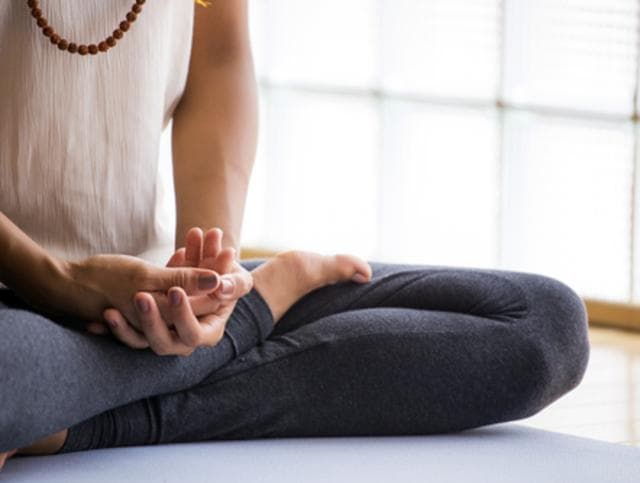
Mindfulness meditation helps reduce stress by focusing attention on the present moment without judgment. Benefits: Regular practice lowers cortisol levels, improves emotional regulation, and enhances self-awareness. How to Practice: Find a Quiet Space: Choose a calm environment free from distractions. Focus on Breathing: Pay attention to each inhale and exhale. Acknowledge Thoughts: Notice thoughts without engaging them, gently refocusing on your breath. Practicing mindfulness meditation for even 10 minutes daily can significantly reduce stress. See our mindful nourishment guide for strategies to build a healthier, more conscious relationship with food.
How to Practice (Step by Step): Start with a simple setup, then follow clear instructions. Include timing suggestions, posture/breathing cues, and gentle variations for different needs. Keep each step approachable and allow room to pause.
Tips for Consistency: Offer ideas for anchoring the habit (time of day, reminders, micro-sessions). Add guidance for combining this with journaling, gentle movement, or breath awareness for a rounded routine.
Variations & Modifications: Provide beginner-friendly options, ways to shorten or extend the practice, and ideas to personalize it—such as using a timer, soft music, or focusing on the senses.
Background & Context: Share a short, respectful note on traditions or modern applications so readers understand origins without turning it into a history lecture.
Unlock Your Full Wellness System
Get full access to your personalized plans, AI-powered tools, exclusive expert insights, and long-term progress tracking.
- ✨ What You Unlock with Premium
- 📅 AI-built weekly wellness plan
- 🧘 Daily Rituals Pro
- 🛌 Sleep Reset protocol
- 💆 Stress Reset protocol
- 🥗 Easy nutrition structure
- 📊 Habit & progress tracking
Deep Breathing Exercises
Disclaimer: This information is general and not medical advice. Consult a qualified professional for personalized guidance.
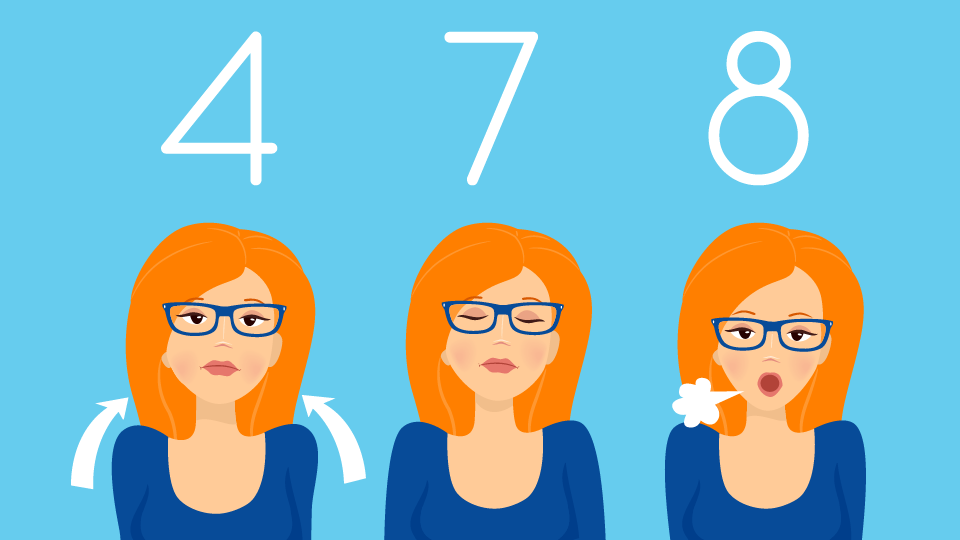
Deep breathing is a simple technique to activate the body’s relaxation response and counteract stress. Techniques: Diaphragmatic Breathing: Inhale deeply through the nose, expanding the diaphragm, then exhale slowly through the mouth. 4-7-8 Breathing: Inhale for 4 seconds, hold for 7 seconds, and exhale for 8 seconds. Benefits: Deep breathing lowers heart rate, reduces anxiety, and improves focus. Incorporating these exercises into your routine can quickly calm the mind and body.
How to Practice (Step by Step): Start with a simple setup, then follow clear instructions. Include timing suggestions, posture/breathing cues, and gentle variations for different needs. Keep each step approachable and allow room to pause.
Tips for Consistency: Offer ideas for anchoring the habit (time of day, reminders, micro-sessions). Add guidance for combining this with journaling, gentle movement, or breath awareness for a rounded routine.
Variations & Modifications: Provide beginner-friendly options, ways to shorten or extend the practice, and ideas to personalize it—such as using a timer, soft music, or focusing on the senses.
Background & Context: Share a short, respectful note on traditions or modern applications so readers understand origins without turning it into a history lecture.
Progressive Muscle Relaxation
Disclaimer: This information is general and not medical advice. Consult a qualified professional for personalized guidance.
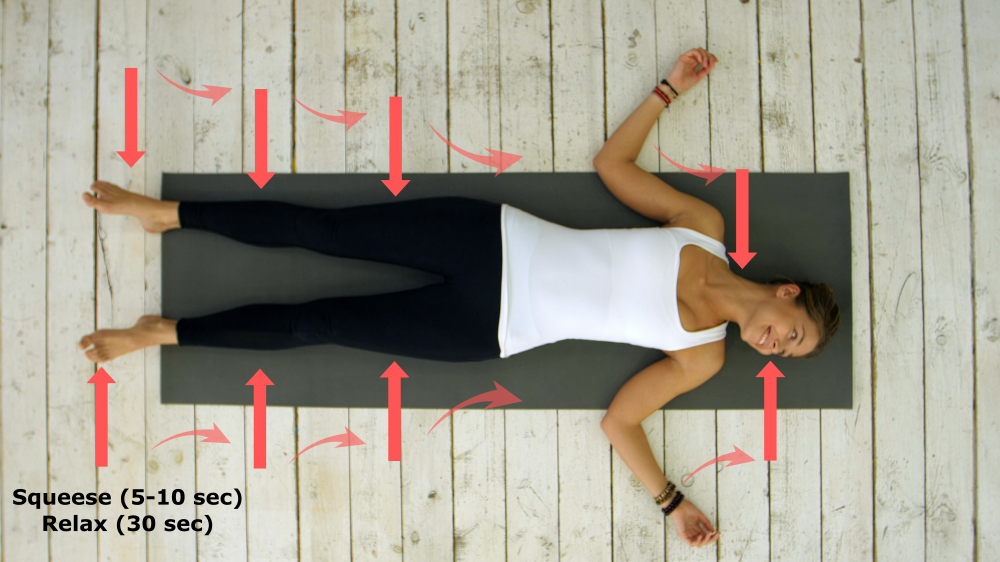
Progressive muscle relaxation (PMR) reduces stress by focusing on tensing and then relaxing different muscle groups. How to Practice: Find a Comfortable Position: Sit or lie down in a relaxed posture. Tense Muscle Groups: Starting from the toes, tense each muscle group for 5 seconds. Release and Relax: Slowly release the tension, focusing on the sensation of relaxation. Benefits: PMR eases muscle tension, promotes relaxation, and improves physical well-being. It’s an excellent practice for unwinding after a long day.
How to Practice (Step by Step): Start with a simple setup, then follow clear instructions. Include timing suggestions, posture/breathing cues, and gentle variations for different needs. Keep each step approachable and allow room to pause.
Tips for Consistency: Offer ideas for anchoring the habit (time of day, reminders, micro-sessions). Add guidance for combining this with journaling, gentle movement, or breath awareness for a rounded routine.
Variations & Modifications: Provide beginner-friendly options, ways to shorten or extend the practice, and ideas to personalize it—such as using a timer, soft music, or focusing on the senses.
Background & Context: Share a short, respectful note on traditions or modern applications so readers understand origins without turning it into a history lecture.
Physical Activity and Exercise
Disclaimer: This information is general and not medical advice. Consult a qualified professional for personalized guidance.
Exercise is a natural stress reliever that boosts mood and improves overall health. Recommended Activities: Aerobic Exercises: Walking, running, or swimming can elevate mood and reduce stress hormones. Yoga: Combines physical postures, breathing techniques, and meditation. Tai Chi: Focuses on slow, deliberate movements and deep breathing. Benefits: Regular exercise releases endorphins, enhances sleep quality, and provides a mental break from stressors. See our guide on Targeted Nutrition: Vitamins and Minerals for Specific Needs for more details.
How to Practice (Step by Step): Start with a simple setup, then follow clear instructions. Include timing suggestions, posture/breathing cues, and gentle variations for different needs. Keep each step approachable and allow room to pause.
Tips for Consistency: Offer ideas for anchoring the habit (time of day, reminders, micro-sessions). Add guidance for combining this with journaling, gentle movement, or breath awareness for a rounded routine.
Variations & Modifications: Provide beginner-friendly options, ways to shorten or extend the practice, and ideas to personalize it—such as using a timer, soft music, or focusing on the senses.
Background & Context: Share a short, respectful note on traditions or modern applications so readers understand origins without turning it into a history lecture.

Time Management Skills
Disclaimer: This information is general and not medical advice. Consult a qualified professional for personalized guidance.
Poor time management often leads to stress. Learning to organize tasks effectively can reduce feelings of being overwhelmed. Techniques: Prioritize Tasks: Focus on tasks with the highest importance first. Set Realistic Goals: Break larger tasks into manageable steps. Use Planning Tools: Utilize calendars, to-do lists, or digital apps to stay organized. Benefits: Effective time management increases productivity, reduces procrastination, and provides a sense of control over your day.
How to Practice (Step by Step): Start with a simple setup, then follow clear instructions. Include timing suggestions, posture/breathing cues, and gentle variations for different needs. Keep each step approachable and allow room to pause.
Tips for Consistency: Offer ideas for anchoring the habit (time of day, reminders, micro-sessions). Add guidance for combining this with journaling, gentle movement, or breath awareness for a rounded routine.
Variations & Modifications: Provide beginner-friendly options, ways to shorten or extend the practice, and ideas to personalize it—such as using a timer, soft music, or focusing on the senses.
Background & Context: Share a short, respectful note on traditions or modern applications so readers understand origins without turning it into a history lecture.

Social Support Networks
Disclaimer: This information is general and not medical advice. Consult a qualified professional for personalized guidance.
Connecting with others is a powerful way to reduce stress and foster emotional well-being. Ways to Build Support: Maintain Relationships: Stay in touch with friends and family. Join Groups: Participate in community activities or support groups. Seek Professional Help: Consult therapists or counselors when needed. Benefits: Social support provides emotional comfort, reduces feelings of isolation, and enhances resilience in times of stress.
How to Practice (Step by Step): Start with a simple setup, then follow clear instructions. Include timing suggestions, posture/breathing cues, and gentle variations for different needs. Keep each step approachable and allow room to pause.
Tips for Consistency: Offer ideas for anchoring the habit (time of day, reminders, micro-sessions). Add guidance for combining this with journaling, gentle movement, or breath awareness for a rounded routine.
Variations & Modifications: Provide beginner-friendly options, ways to shorten or extend the practice, and ideas to personalize it—such as using a timer, soft music, or focusing on the senses.
Background & Context: Share a short, respectful note on traditions or modern applications so readers understand origins without turning it into a history lecture.

Healthy Lifestyle Choices
Disclaimer: This information is general and not medical advice. Consult a qualified professional for personalized guidance.
Making healthier lifestyle choices can significantly reduce stress levels and improve overall well-being. Key Areas: Diet and Nutrition: Eating a balanced diet provides the body with essential nutrients to handle stress. Sleep Hygiene: Establishing a consistent sleep schedule enhances emotional resilience. Avoiding Substances: Limiting caffeine, alcohol, and nicotine helps may help reduce the risk of stress-related symptoms. Adopting a healthier lifestyle creates a solid foundation for managing stress effectively. Our mindful eating guide shows how bringing intention to meals supports both physical and emotional well-being.
How to Practice (Step by Step): Start with a simple setup, then follow clear instructions. Include timing suggestions, posture/breathing cues, and gentle variations for different needs. Keep each step approachable and allow room to pause.
Tips for Consistency: Offer ideas for anchoring the habit (time of day, reminders, micro-sessions). Add guidance for combining this with journaling, gentle movement, or breath awareness for a rounded routine.
Variations & Modifications: Provide beginner-friendly options, ways to shorten or extend the practice, and ideas to personalize it—such as using a timer, soft music, or focusing on the senses.
Background & Context: Share a short, respectful note on traditions or modern applications so readers understand origins without turning it into a history lecture.

Engaging in Hobbies and Leisure Activities
Disclaimer: This information is general and not medical advice. Consult a qualified professional for personalized guidance.
Participating in enjoyable activities provides a mental escape from stressors and fosters relaxation. Examples: Creative Arts: Activities like painting, writing, or playing music encourage self-expression and stress relief. Outdoor Activities: Spending time in nature, gardening, or hiking promotes mindfulness and tranquility. Social Hobbies: Engaging in group activities like book clubs or sports builds social connections while reducing stress. Finding time for hobbies can improve mood and create a sense of balance in your life.
How to Practice (Step by Step): Start with a simple setup, then follow clear instructions. Include timing suggestions, posture/breathing cues, and gentle variations for different needs. Keep each step approachable and allow room to pause.
Tips for Consistency: Offer ideas for anchoring the habit (time of day, reminders, micro-sessions). Add guidance for combining this with journaling, gentle movement, or breath awareness for a rounded routine.
Variations & Modifications: Provide beginner-friendly options, ways to shorten or extend the practice, and ideas to personalize it—such as using a timer, soft music, or focusing on the senses.
Background & Context: Share a short, respectful note on traditions or modern applications so readers understand origins without turning it into a history lecture.

 MINDFULNESS
Breathe Away the Stress: Proven Methods to Relax and…
Learn how mindful breathing techniques can help you release tension and recharge your mind. Discover exercises that promote relaxation and…
Read Guide MINDFULNESS
From Chaos to Calm: How to Manage Stress Like a Pro
Find out how to turn stressful moments into opportunities for calm and focus. Explore expert tips to take charge of your emotions and…
Read Guide- MINDFULNESS
The 5-4-3-2-1 Grounding Technique for Anxiety Relief
The 5-4-3-2-1 grounding technique uses your five senses to anchor you in the present moment, interrupting anxiety spirals and panic attacks…
Read Guide
Build Your Stress Relief Program
Take our 2-min quiz and receive a science-backed stress reduction plan tailored to your triggers and daily routine.
★★★★★ Trusted by 12,400+ wellness seekers
Free · No account required · 2 minutes
Was this article helpful?
Frequently Asked Questions
What is the fastest way to reduce stress in the moment?
Box breathing (inhale 4 counts, hold 4, exhale 4, hold 4) activates the parasympathetic nervous system and can reduce stress within 60–90 seconds.
How does chronic stress affect the body?
Chronic stress elevates cortisol, which disrupts sleep, weakens immunity, increases inflammation, impairs memory, and raises risk for heart disease and depression.
Does exercise really help with stress?
Yes — aerobic exercise is one of the most effective stress reducers known. It lowers cortisol, releases endorphins, and improves sleep quality.
Can mindfulness change how the brain responds to stress?
Yes. MRI studies show consistent mindfulness practice shrinks the amygdala (the brain's fear center) and strengthens the prefrontal cortex, literally rewiring the stress response.
Wellness Pure Life is a science-backed platform dedicated to helping you build sustainable habits across fitness, mindfulness, and nutrition. Every guide is written with care, grounded in research, and designed to be genuinely actionable — so you can make real, lasting change.