
Anti-Inflammatory Foods: What to Eat and Why
Disclaimer: This content is educational and not a substitute for professional medical advice.
Inflammation is your immune system's natural response to injury or infection. Acute inflammation heals you. Chronic, low-grade inflammation — driven by poor diet, stress, and poor sleep — silently damages tissues over time. Dietary changes can measurably reduce inflammatory markers in as little as 3–4 weeks.
What Causes Chronic Inflammation?
Key dietary drivers:
- Refined sugars and refined carbohydrates — spike blood glucose, triggering inflammatory cytokines
- Industrial seed oils (sunflower, soybean, corn) — high in omega-6 fatty acids
- Ultra-processed foods — contain emulsifiers that disrupt gut barrier function
- Trans fats — directly increase inflammatory markers
- Excess alcohol — damages gut lining and elevates CRP
The Most Powerful Anti-Inflammatory Foods
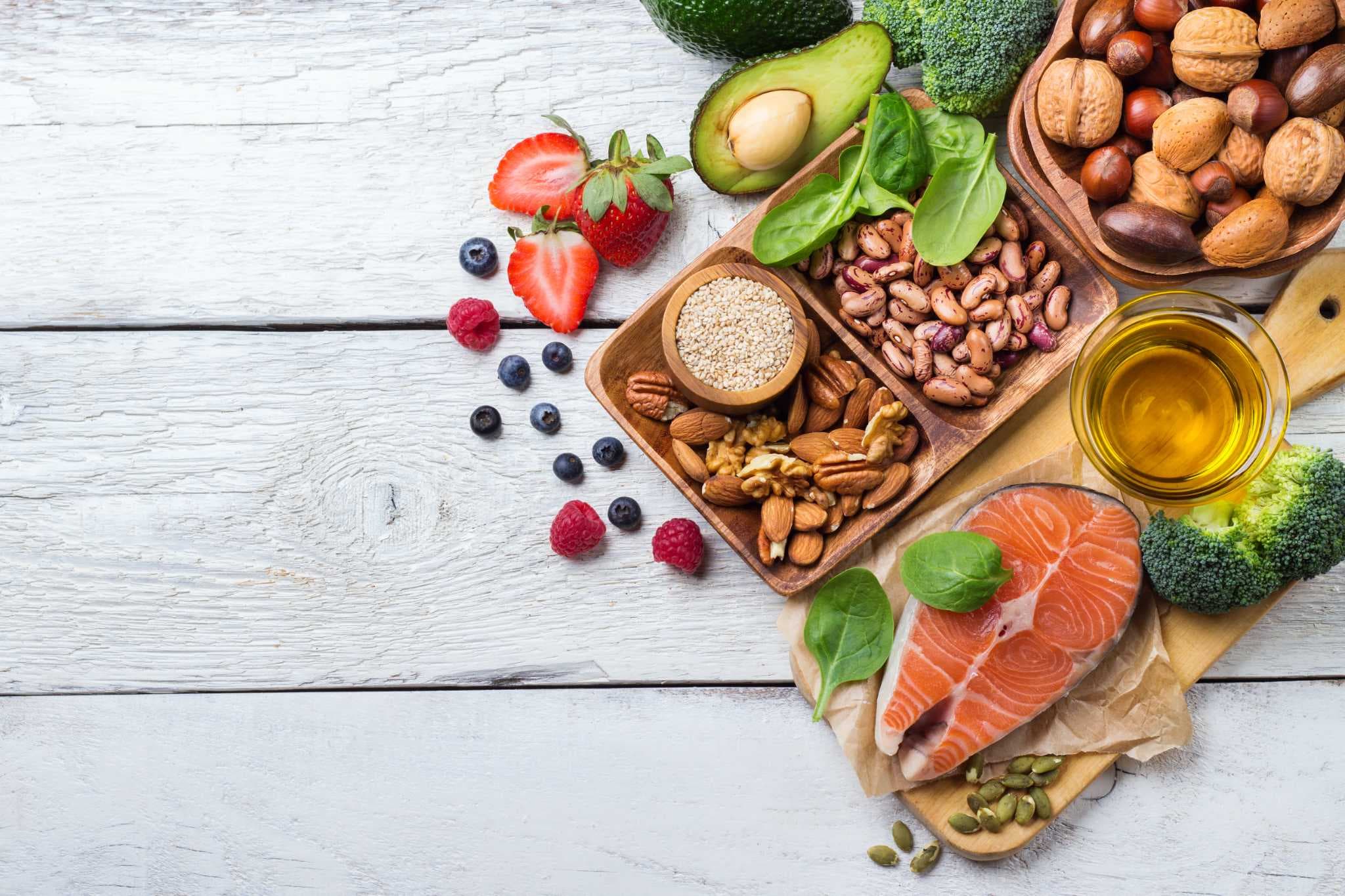
Fatty fish (salmon, mackerel, sardines): Rich in EPA and DHA omega-3s. Aim for 2–3 servings per week.
Berries (blueberries, strawberries, cherries): Packed with anthocyanins shown to reduce inflammatory cytokines.
Leafy greens (spinach, kale): High in vitamin K, folate, and lutein.
Extra virgin olive oil: Oleocanthal acts similarly to ibuprofen in suppressing COX enzymes.
Turmeric: Curcumin is most effective when combined with black pepper (increases absorption by 2,000%).
Foods to Reduce or Eliminate
The fastest way to reduce inflammation is often removal rather than addition:
- Ultra-processed snacks: crisps, packaged biscuits, fast food
- Sugary drinks: soda, fruit juice with added sugar
- Refined carbohydrates: white bread, white pasta
- Processed meats: sausages, hot dogs, deli meats
- Industrial seed oils: replace with olive oil or avocado oil
Unlock Your Full Wellness System
Get full access to your personalized plans, AI-powered tools, exclusive expert insights, and long-term progress tracking.
- ✨ What You Unlock with Premium
- 📅 AI-built weekly wellness plan
- 🧘 Daily Rituals Pro
- 🛌 Sleep Reset protocol
- 💆 Stress Reset protocol
- 🥗 Easy nutrition structure
- 📊 Habit & progress tracking
An Anti-Inflammatory Day of Eating
Breakfast: Overnight oats with blueberries, walnuts, and cinnamon + green tea
Lunch: Salmon salad with spinach, avocado, olive oil and lemon dressing + mixed berries
Snack: Walnuts + dark chocolate (85%+)
Dinner: Turmeric-spiced lentil soup with garlic, ginger, leafy greens
Evening: Chamomile or ginger tea
This pattern aligns with the Mediterranean diet — the most studied dietary pattern for inflammation reduction.
Measuring Your Progress
After 4–8 weeks of consistent anti-inflammatory eating:
- Request a CRP (C-Reactive Protein) blood test — the standard marker for systemic inflammation
- Note changes in joint stiffness, energy levels, and sleep quality
Many people notice subjective benefits (more energy, better sleep) within 2–3 weeks, before any blood markers change.
- NOURISH
Vital Nutrients for a Healthy Life
Discover the core nutrients your body needs for optimal health. Learn how to incorporate vitamins, minerals, and other essentials into your…
Read Guide  NOURISH
Fuel Your Body with the Right Nutrition
Explore how essential nutrients power your daily activities and boost your energy levels. Discover foods that nourish your body and support…
Read Guide NOURISH
Nutrition 101: Master the Basics of Healthy Eating
A beginner-friendly guide to the basics of nutrition. Understand the roles of carbohydrates, proteins, fats, vitamins, and minerals in…
Read Guide- NOURISH
Gut Health and Probiotics: A Beginner's Guide
Your gut microbiome influences your immune system, mental health, weight, and energy levels. Here is how to support it with food and…
Read Guide
Optimize Your Daily Nutrients
Take our 2-min quiz and receive a science-backed nutrient plan addressing your specific deficiencies and goals.
★★★★★ Trusted by 12,400+ wellness seekers
Free · No account required · 2 minutes
Was this article helpful?
Frequently Asked Questions
What are the most common nutrient deficiencies worldwide?
Iron, vitamin D, iodine, zinc, and vitamin B12 are the most widespread. In Western countries, vitamin D, magnesium, and omega-3 fatty acids are particularly common.
How much protein do I actually need per day?
The minimum is 0.36g per pound of body weight, but active adults benefit from 0.7–1g per pound. Higher protein supports muscle maintenance, satiety, and metabolic health.
Is vitamin D supplementation worth it?
For most people in northern latitudes, yes. Over 40% of adults are deficient. Vitamin D deficiency is linked to immune dysfunction, depression, fatigue, and weakened bones.
What foods are highest in magnesium?
Dark chocolate, pumpkin seeds, almonds, spinach, cashews, black beans, and avocado are among the richest food sources of magnesium.

Wellness Pure Life is a science-backed platform dedicated to helping you build sustainable habits across fitness, mindfulness, and nutrition. Every guide is written with care, grounded in research, and designed to be genuinely actionable — so you can make real, lasting change.