
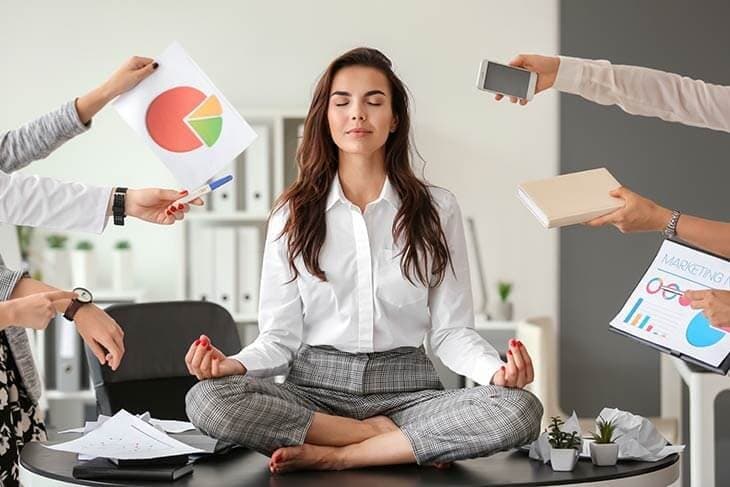
From Chaos to Calm: How to Manage Stress Like a Pro
Disclaimer: This information is general and not medical advice. Consult a qualified professional for personalized guidance.
Stress doesn’t have to control your life. Our mindful eating guide shows how bringing intention to meals supports both physical and emotional well-being. While chaos may seem inevitable in our modern world, mastering stress is about learning to respond rather than react. Managing stress like a pro isn’t about eliminating challenges but developing the tools to face them with calm, clarity, and resilience. This guide explores expert-backed strategies to help you turn overwhelming situations into opportunities for growth. Discover actionable techniques, practical habits, and mindset shifts that empower you to navigate stress effectively and find peace amidst life’s storms.
How to Practice (Step by Step): Start with a simple setup, then follow clear instructions. Include timing suggestions, posture/breathing cues, and gentle variations for different needs. Keep each step approachable and allow room to pause.
Tips for Consistency: Offer ideas for anchoring the habit (time of day, reminders, micro-sessions). Add guidance for combining this with journaling, gentle movement, or breath awareness for a rounded routine.
Variations & Modifications: Provide beginner-friendly options, ways to shorten or extend the practice, and ideas to personalize it—such as using a timer, soft music, or focusing on the senses.
Background & Context: Share a short, respectful note on traditions or modern applications so readers understand origins without turning it into a history lecture.
Understanding Your Stress Triggers
Disclaimer: This information is general and not medical advice. Consult a qualified professional for personalized guidance.
The first step to managing stress effectively is understanding what triggers it. See our mindful nourishment guide for strategies to build a healthier, more conscious relationship with food. Stress triggers can come from external factors like deadlines or family obligations, or internal factors such as self-doubt or perfectionism. How to Identify Your Triggers:
- Keep a stress journal to track situations that cause tension.
- Reflect on emotional and physical reactions to identify patterns.
- Separate controllable triggers from those beyond your control.
Recognizing these triggers helps you respond calmly and develop targeted coping strategies.
How to Practice (Step by Step): Start with a simple setup, then follow clear instructions. Include timing suggestions, posture/breathing cues, and gentle variations for different needs. Keep each step approachable and allow room to pause.
Tips for Consistency: Offer ideas for anchoring the habit (time of day, reminders, micro-sessions). Add guidance for combining this with journaling, gentle movement, or breath awareness for a rounded routine.
Variations & Modifications: Provide beginner-friendly options, ways to shorten or extend the practice, and ideas to personalize it—such as using a timer, soft music, or focusing on the senses.
Background & Context: Share a short, respectful note on traditions or modern applications so readers understand origins without turning it into a history lecture.

The Power of Visualization for Instant Calm
Disclaimer: This information is general and not medical advice. Consult a qualified professional for personalized guidance.
Visualization, or guided imagery, is a powerful technique to create calm amidst chaos. Our mindful eating guide shows how bringing intention to meals supports both physical and emotional well-being. By imagining peaceful scenarios, your mind and body can relax almost quickly. How to Practice:
- Close your eyes and take a deep breath.
- Picture yourself in a calming place—like a beach, forest, or mountain top.
- Engage all senses: imagine the sounds, smells, and sensations of this environment.
This mental escape allows your mind to shift away from stress and refocus on relaxation.
How to Practice (Step by Step): Start with a simple setup, then follow clear instructions. Include timing suggestions, posture/breathing cues, and gentle variations for different needs. Keep each step approachable and allow room to pause.
Tips for Consistency: Offer ideas for anchoring the habit (time of day, reminders, micro-sessions). Add guidance for combining this with journaling, gentle movement, or breath awareness for a rounded routine.
Variations & Modifications: Provide beginner-friendly options, ways to shorten or extend the practice, and ideas to personalize it—such as using a timer, soft music, or focusing on the senses.
Background & Context: Share a short, respectful note on traditions or modern applications so readers understand origins without turning it into a history lecture.

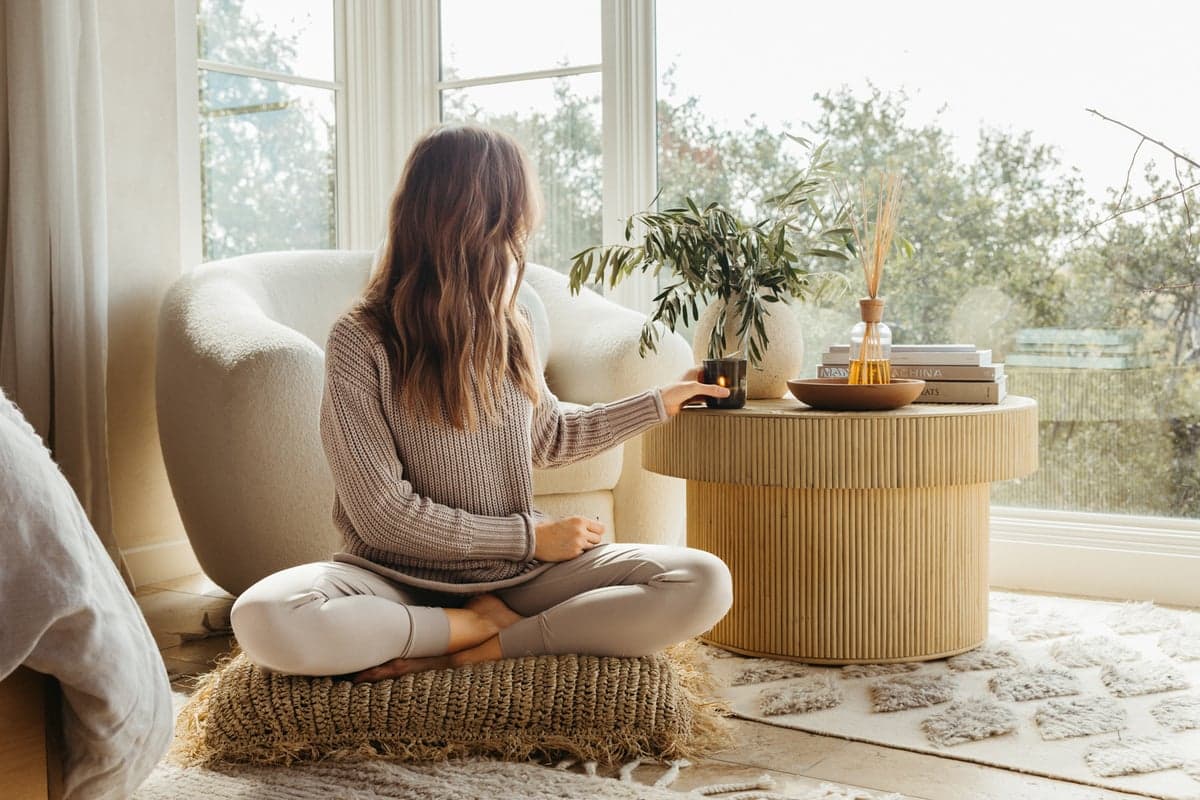
Creating Your Calm Space
Disclaimer: This information is general and not medical advice. Consult a qualified professional for personalized guidance.
Your physical environment has a profound impact on your ability to manage stress. See our guide on Boost Your Diet for more details. Designating a calm space at home or work provides a retreat for relaxation. Steps to Create Your Calm Space:
- Choose a quiet corner free from distractions.
- Add elements like soft lighting, plants, or calming scents (lavender or chamomile).
- Include items like a cozy chair, calming music, or meditation tools.
By creating this space, you’ll have a sanctuary to reset and recharge during stressful moments.
How to Practice (Step by Step): Start with a simple setup, then follow clear instructions. Include timing suggestions, posture/breathing cues, and gentle variations for different needs. Keep each step approachable and allow room to pause.
Tips for Consistency: Offer ideas for anchoring the habit (time of day, reminders, micro-sessions). Add guidance for combining this with journaling, gentle movement, or breath awareness for a rounded routine.
Variations & Modifications: Provide beginner-friendly options, ways to shorten or extend the practice, and ideas to personalize it—such as using a timer, soft music, or focusing on the senses.
Background & Context: Share a short, respectful note on traditions or modern applications so readers understand origins without turning it into a history lecture.
Unlock Your Full Wellness System
Get full access to your personalized plans, AI-powered tools, exclusive expert insights, and long-term progress tracking.
- ✨ What You Unlock with Premium
- 📅 AI-built weekly wellness plan
- 🧘 Daily Rituals Pro
- 🛌 Sleep Reset protocol
- 💆 Stress Reset protocol
- 🥗 Easy nutrition structure
- 📊 Habit & progress tracking
Mindful Movement: Managing Stress with Gentle Activity
Disclaimer: This information is general and not medical advice. Consult a qualified professional for personalized guidance.
Incorporating mindful movement like yoga, Tai Chi, or stretching can help calm the mind while releasing physical tension. Why It Works:
- See our guide on Fuel Your Body with the Right Nutrition for more details. Movement releases endorphins, the body's natural stress relievers.
- Gentle activity connects breathing with physical motion, promoting mindfulness.
- Regular practice improves flexibility, lowers stress hormones, and enhances relaxation.
Mindful movement requires no special equipment, making it easy to integrate into your daily routine for instant calm.
How to Practice (Step by Step): Start with a simple setup, then follow clear instructions. Include timing suggestions, posture/breathing cues, and gentle variations for different needs. Keep each step approachable and allow room to pause.
Tips for Consistency: Offer ideas for anchoring the habit (time of day, reminders, micro-sessions). Add guidance for combining this with journaling, gentle movement, or breath awareness for a rounded routine.
Variations & Modifications: Provide beginner-friendly options, ways to shorten or extend the practice, and ideas to personalize it—such as using a timer, soft music, or focusing on the senses.
Background & Context: Share a short, respectful note on traditions or modern applications so readers understand origins without turning it into a history lecture.

Breathing Techniques to Regain Control
Disclaimer: This information is general and not medical advice. Consult a qualified professional for personalized guidance.
Intentional breathing is one of the fastest ways to calm your nervous system. See our guide on Eating with Intention: A Guide to Mindful Nourishment for more details. It allows you to regain control in moments of chaos. Techniques to Try: The 4-6 Breathing Method: Inhale for 4 counts, exhale for 6 counts. Sighing Breath: Take a deep breath and exhale audibly to release tension. Box Breathing: Inhale, hold, exhale, and pause in equal counts (e.g., 4-4-4-4). These techniques quickly activate the relaxation response, helping you feel grounded.
How to Practice (Step by Step): Start with a simple setup, then follow clear instructions. Include timing suggestions, posture/breathing cues, and gentle variations for different needs. Keep each step approachable and allow room to pause.
Tips for Consistency: Offer ideas for anchoring the habit (time of day, reminders, micro-sessions). Add guidance for combining this with journaling, gentle movement, or breath awareness for a rounded routine.
Variations & Modifications: Provide beginner-friendly options, ways to shorten or extend the practice, and ideas to personalize it—such as using a timer, soft music, or focusing on the senses.
Background & Context: Share a short, respectful note on traditions or modern applications so readers understand origins without turning it into a history lecture.

Reframing Negative Thoughts
Disclaimer: This information is general and not medical advice. Consult a qualified professional for personalized guidance.
Stress is often amplified by negative or unhelpful thought patterns. Reframing these thoughts allows you to shift perspective and reduce emotional tension. Steps to Reframe Negative Thoughts:
- Identify: Notice when you're having a negative thought.
- Challenge: Ask yourself if the thought is true or exaggerated.
- Reframe: Replace it with a balanced, realistic thought.
Over time, this practice helps reduce mental stress and improves emotional resilience.
How to Practice (Step by Step): Start with a simple setup, then follow clear instructions. Include timing suggestions, posture/breathing cues, and gentle variations for different needs. Keep each step approachable and allow room to pause.
Tips for Consistency: Offer ideas for anchoring the habit (time of day, reminders, micro-sessions). Add guidance for combining this with journaling, gentle movement, or breath awareness for a rounded routine.
Variations & Modifications: Provide beginner-friendly options, ways to shorten or extend the practice, and ideas to personalize it—such as using a timer, soft music, or focusing on the senses.
Background & Context: Share a short, respectful note on traditions or modern applications so readers understand origins without turning it into a history lecture.
Digital Detox: Stepping Away from Screens
Disclaimer: This information is general and not medical advice. Consult a qualified professional for personalized guidance.
Constant exposure to screens and notifications can heighten stress and overwhelm. A digital detox helps you disconnect and recharge. How to Detox:
- Schedule “tech-free” hours each day to disconnect from devices.
- Replace screen time with calming activities like reading, journaling, or spending time outdoors.
- Turn off non-essential notifications to reduce distractions.
Taking a break from screens allows your mind to reset and creates space for clarity and calm.
How to Practice (Step by Step): Start with a simple setup, then follow clear instructions. Include timing suggestions, posture/breathing cues, and gentle variations for different needs. Keep each step approachable and allow room to pause.
Tips for Consistency: Offer ideas for anchoring the habit (time of day, reminders, micro-sessions). Add guidance for combining this with journaling, gentle movement, or breath awareness for a rounded routine.
Variations & Modifications: Provide beginner-friendly options, ways to shorten or extend the practice, and ideas to personalize it—such as using a timer, soft music, or focusing on the senses.
Background & Context: Share a short, respectful note on traditions or modern applications so readers understand origins without turning it into a history lecture.

The Power of Gratitude for Stress Relief
Disclaimer: This information is general and not medical advice. Consult a qualified professional for personalized guidance.
Focusing on gratitude shifts your mindset from stress and scarcity to positivity and abundance. How to Practice Gratitude:
- See our mindful nourishment guide for strategies to build a healthier, more conscious relationship with food. Start a gratitude journal and write down 3 things you’re thankful for each day.
- Reflect on small wins and positive moments, even during tough times.
- Express gratitude to others through kind words or actions.
Research suggests that cultivating gratitude reduces stress, enhances mood, and improves emotional resilience.
How to Practice (Step by Step): Start with a simple setup, then follow clear instructions. Include timing suggestions, posture/breathing cues, and gentle variations for different needs. Keep each step approachable and allow room to pause.
Tips for Consistency: Offer ideas for anchoring the habit (time of day, reminders, micro-sessions). Add guidance for combining this with journaling, gentle movement, or breath awareness for a rounded routine.
Variations & Modifications: Provide beginner-friendly options, ways to shorten or extend the practice, and ideas to personalize it—such as using a timer, soft music, or focusing on the senses.
Background & Context: Share a short, respectful note on traditions or modern applications so readers understand origins without turning it into a history lecture.

Setting Healthy Boundaries
Disclaimer: This information is general and not medical advice. Consult a qualified professional for personalized guidance.
Stress often stems from overcommitment and a lack of boundaries. Our mindful eating guide shows how bringing intention to meals supports both physical and emotional well-being. Learning to set healthy boundaries empowers you to prioritize self-care. How to Set Boundaries:
- Identify areas where you feel overwhelmed—work, relationships, or personal obligations.
- Communicate your needs clearly and assertively (e.g., “I need time to rest this evening”).
- Learn to say 'no' to tasks or commitments that drain your energy.
Healthy boundaries protect your time and mental space, creating room for calm and balance.
How to Practice (Step by Step): Start with a simple setup, then follow clear instructions. Include timing suggestions, posture/breathing cues, and gentle variations for different needs. Keep each step approachable and allow room to pause.
Tips for Consistency: Offer ideas for anchoring the habit (time of day, reminders, micro-sessions). Add guidance for combining this with journaling, gentle movement, or breath awareness for a rounded routine.
Variations & Modifications: Provide beginner-friendly options, ways to shorten or extend the practice, and ideas to personalize it—such as using a timer, soft music, or focusing on the senses.
Background & Context: Share a short, respectful note on traditions or modern applications so readers understand origins without turning it into a history lecture.

Building a Consistent Relaxation Routine
Disclaimer: This information is general and not medical advice. Consult a qualified professional for personalized guidance.
Consistency is key to mastering stress. See our guide on Smart Supplementing: What You Need to Know for a Balanced Diet for more details. Building a relaxation routine trains your mind and body to find calm more easily. Steps to Build Your Routine:
- Schedule daily relaxation time—morning meditation, midday breathing, or evening reflection.
- Choose techniques that resonate with you: breathing exercises, visualization, or gentle stretching.
- Reflect on what works best for reducing stress and commit to practicing regularly.
By prioritizing relaxation, you build resilience and cultivate a calm mindset for handling life's challenges.
How to Practice (Step by Step): Start with a simple setup, then follow clear instructions. Include timing suggestions, posture/breathing cues, and gentle variations for different needs. Keep each step approachable and allow room to pause.
Tips for Consistency: Offer ideas for anchoring the habit (time of day, reminders, micro-sessions). Add guidance for combining this with journaling, gentle movement, or breath awareness for a rounded routine.
Variations & Modifications: Provide beginner-friendly options, ways to shorten or extend the practice, and ideas to personalize it—such as using a timer, soft music, or focusing on the senses.
Background & Context: Share a short, respectful note on traditions or modern applications so readers understand origins without turning it into a history lecture.
 MINDFULNESS
Master the Art of Stress Reduction: Simple Techniques for a…
Discover practical and well-known stress reduction methods that you can easily incorporate into your daily life. Learn how to take control…
Read Guide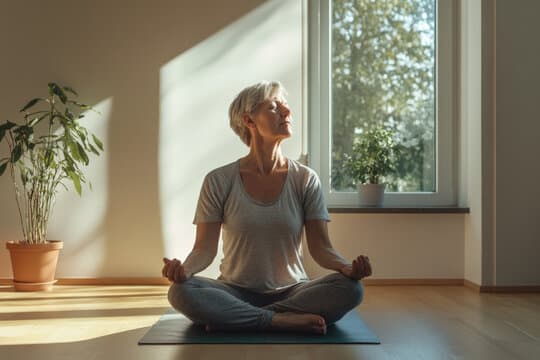 MINDFULNESS
Breathe Away the Stress: Proven Methods to Relax and…
Learn how mindful breathing techniques can help you release tension and recharge your mind. Discover exercises that promote relaxation and…
Read Guide- MINDFULNESS
The 5-4-3-2-1 Grounding Technique for Anxiety Relief
The 5-4-3-2-1 grounding technique uses your five senses to anchor you in the present moment, interrupting anxiety spirals and panic attacks…
Read Guide
Build Your Stress Relief Program
Take our 2-min quiz and receive a science-backed stress reduction plan tailored to your triggers and daily routine.
★★★★★ Trusted by 12,400+ wellness seekers
Free · No account required · 2 minutes
Was this article helpful?
Frequently Asked Questions
What is the fastest way to reduce stress in the moment?
Box breathing (inhale 4 counts, hold 4, exhale 4, hold 4) activates the parasympathetic nervous system and can reduce stress within 60–90 seconds.
How does chronic stress affect the body?
Chronic stress elevates cortisol, which disrupts sleep, weakens immunity, increases inflammation, impairs memory, and raises risk for heart disease and depression.
Does exercise really help with stress?
Yes — aerobic exercise is one of the most effective stress reducers known. It lowers cortisol, releases endorphins, and improves sleep quality.
Can mindfulness change how the brain responds to stress?
Yes. MRI studies show consistent mindfulness practice shrinks the amygdala (the brain's fear center) and strengthens the prefrontal cortex, literally rewiring the stress response.
Wellness Pure Life is a science-backed platform dedicated to helping you build sustainable habits across fitness, mindfulness, and nutrition. Every guide is written with care, grounded in research, and designed to be genuinely actionable — so you can make real, lasting change.