

Body Scan Meditation: A Complete Beginner's Guide
Body scan meditation involves moving your attention systematically through your body, noticing sensations without judgment. It is the foundation of Mindfulness-Based Stress Reduction (MBSR) and has been validated in hundreds of clinical trials for reducing anxiety, chronic pain, and insomnia.
What Is a Body Scan?
A body scan is a guided or self-directed practice where you bring focused, non-judgmental awareness to each part of your body in sequence — typically from your feet to the top of your head.
Unlike progressive muscle relaxation, you're not tensing and releasing. You're simply observing: warmth, coolness, tingling, heaviness, or tightness. Whatever is there is fine. You're not trying to fix anything — just noticing.
The Science: Why It Works
Body scanning activates the insula — the brain region responsible for interoception (awareness of internal body states). Regular practice literally thickens this brain region, improving your ability to detect and regulate stress before it escalates.
A 2011 Harvard study showed that MBSR participants experienced measurable reduction in amygdala grey matter density — the brain's fear centre — after just 8 weeks.
Step-by-Step Body Scan (10–20 Minutes)
- Lie down or sit comfortably. Close your eyes.
- Take 3 deep breaths to settle.
- Bring attention to the soles of your feet.
- Slowly move up: ankles → calves → knees → thighs.
- Continue: hips → lower back → abdomen → chest.
- Move through: hands → forearms → upper arms → shoulders.
- Finish: neck → jaw → face → top of head.
- Rest in full-body awareness for 1–2 minutes.
Unlock Your Full Wellness System
Get full access to your personalized plans, AI-powered tools, exclusive expert insights, and long-term progress tracking.
- ✨ What You Unlock with Premium
- 📅 AI-built weekly wellness plan
- 🧘 Daily Rituals Pro
- 🛌 Sleep Reset protocol
- 💆 Stress Reset protocol
- 🥗 Easy nutrition structure
- 📊 Habit & progress tracking
What to Do When Your Mind Wanders
Your mind will wander. This is not failure — it's the practice. Every time you notice you've drifted and gently return to the body, you are strengthening your mindfulness muscle.
Treat wandering thoughts like passing clouds. Acknowledge them without engaging and return to the body part you were scanning.
Body Scan for Better Sleep
Lying in bed, unable to switch off? Body scan is one of the most effective non-pharmacological tools for insomnia. Combine it with the full mindful sleep routine for the strongest results.
Start at the feet. The sequential focus gives the mind something concrete to do instead of looping through worries. Most people fall asleep before they reach their chest.
How Often Should You Practice?
Even 10 minutes once daily produces measurable benefits after 3–4 weeks.
Suggested schedule:
- Morning: 10-minute body scan after waking
- Evening: 15–20 minutes before bed
- Anytime stress peaks: A 5-minute mini scan can interrupt a stress spiral. For acute anxiety, combine with the 5-4-3-2-1 grounding technique.
 MINDFULNESS
The Beginner’s Guide to Meditation: Calm Your Mind,…
Ready to start meditating but don’t know where to begin? Explore easy techniques to calm your mind, improve focus, and find peace in your…
Read Guide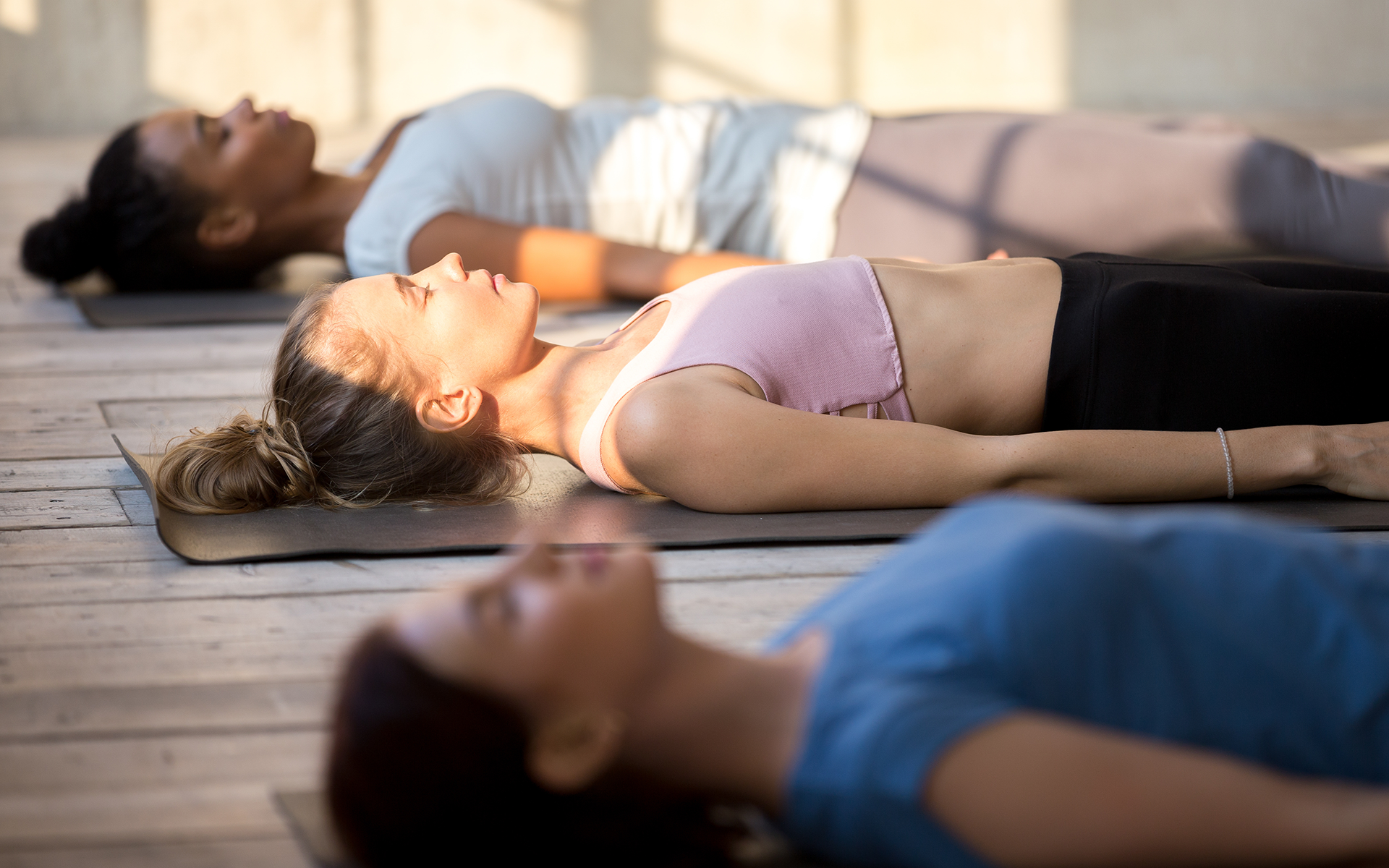 MINDFULNESS
Unlock the Science of Meditation: How It Restores Your Mind…
Curious about how meditation works? Discover the scientific benefits, from reducing stress to enhancing physical health, and see how it can…
Read Guide MINDFULNESS
Morning, Noon, or Night: Discover the Best Time to Meditate
Not sure when to meditate? Learn how choosing the right time of day can maximize the benefits of your practice and fit seamlessly into your…
Read Guide MINDFULNESS
From Stress to Serenity: How Meditation Can Transform Your…
Can meditation really turn a stressful day around? Discover simple practices to bring calm and balance to your daily life. Insight:…
Read Guide
Start Your Guided Meditation Practice
Take our 2-min quiz and get a personalized meditation schedule matched to your experience level and available time.
★★★★★ Trusted by 12,400+ wellness seekers
Free · No account required · 2 minutes
Was this article helpful?
Frequently Asked Questions
How long should a beginner meditate each day?
Start with just 5–10 minutes per day. Consistency matters far more than duration — 10 minutes every day beats 45 minutes once a week.
What is the best time of day to meditate?
Morning is ideal for most people since the mind is fresh and distractions are fewer. However, the best time is whenever you can be consistent.
Should I use guided meditations or meditate in silence?
Both work. Guided meditations are excellent for beginners to build the habit. Silent meditation develops deeper independent concentration over time.
Is it normal to fall asleep while meditating?
Very common, especially when starting out. Try meditating seated upright rather than lying down, and practice earlier in the day.

Wellness Pure Life is a science-backed platform dedicated to helping you build sustainable habits across fitness, mindfulness, and nutrition. Every guide is written with care, grounded in research, and designed to be genuinely actionable — so you can make real, lasting change.