Morning Yoga Flow for Energy and Focus
Disclaimer: This content is educational and not a substitute for professional medical advice.
Morning yoga works with your body's natural wake-up process — gently raising core temperature, increasing blood flow, and activating the nervous system without the stress of intense exercise.
Why Morning Yoga Works
After 6–8 hours of sleep, your muscles are cool, your fascia is stiff, and your spine has compressed slightly. Morning yoga gently reverses all of this.
Research shows yoga in the morning reduces cortisol levels, activates the parasympathetic nervous system, and improves working memory and reaction time — all within a single 20-minute session.
The Sequence: 10 Poses, 20 Minutes
Move through each pose at your own pace. Hold each for 30–60 seconds or 5 slow breaths.
1. Child's Pose 2. Cat-Cow 3. Downward Facing Dog 4. Low Lunge (both sides) 5. Standing Forward Fold 6. Mountain Pose 7. Warrior I (both sides) 8. Warrior II (both sides) 9. Tree Pose (both sides) 10. Seated Twist (both sides)
Cat-Cow — How to Do It
On hands and knees, wrists under shoulders, knees under hips.
Cow (inhale): Drop belly toward floor, lift head and tailbone. Cat (exhale): Round spine to ceiling, tuck chin and tailbone.
Move slowly, linking breath to movement. This mobilises every vertebra in the spine and warms the supporting muscles.
Repeat: 8–10 cycles.
Unlock Your Full Wellness System
Get full access to your personalized plans, AI-powered tools, exclusive expert insights, and long-term progress tracking.
- ✨ What You Unlock with Premium
- 📅 AI-built weekly wellness plan
- 🧘 Daily Rituals Pro
- 🛌 Sleep Reset protocol
- 💆 Stress Reset protocol
- 🥗 Easy nutrition structure
- 📊 Habit & progress tracking
Warrior Poses — Why They Energise You
Warrior I: Front knee bent at 90°, back leg straight, arms raised overhead. Opens the chest and hip flexors.
Warrior II: Front knee bent, arms extended parallel to floor, gaze over front hand. Opens hips and builds lower body endurance.
Hold each for 5 breaths per side, moving with intention.
Breathing Technique for the Sequence
Use ujjayi breath (ocean breath) throughout:
- Inhale through the nose for 4 counts - Slight constriction at the back of the throat - Exhale through the nose for 6 counts
This activates the parasympathetic nervous system, keeps the mind focused, and gently warms the body from within.
Benefits After 30 Days
After 30 consecutive mornings:
- Noticeably improved flexibility in hips and hamstrings - Reduced morning stiffness - More stable energy throughout the morning - Improved ability to focus during the first hours of work - A sense of calm resilience when facing daily stressors
 FITNESS
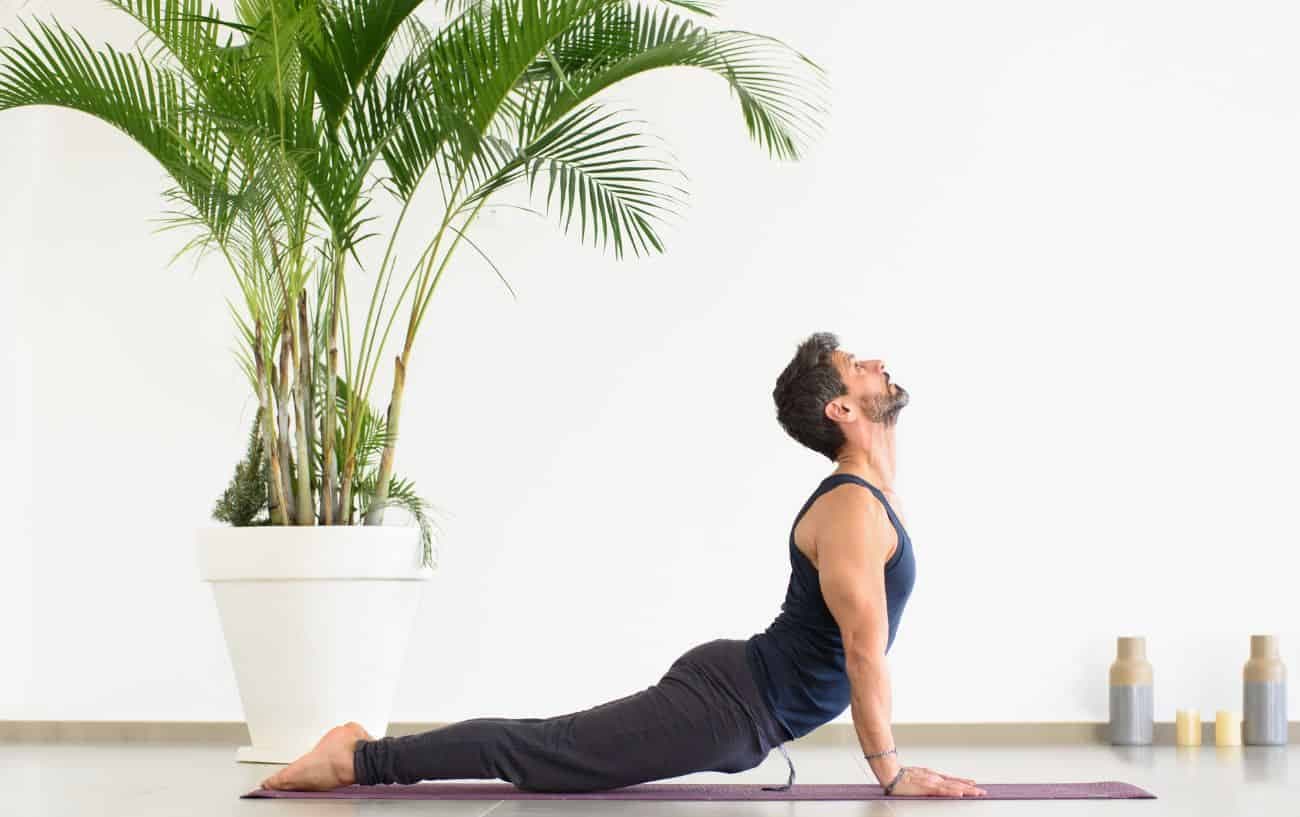
Yoga for Digestion: 9 Poses You Need to Know
Learn 9 yoga poses to boost digestion, ease bloating, and support gut health naturally. This section goes beyond the basics, providing a…
Read Guide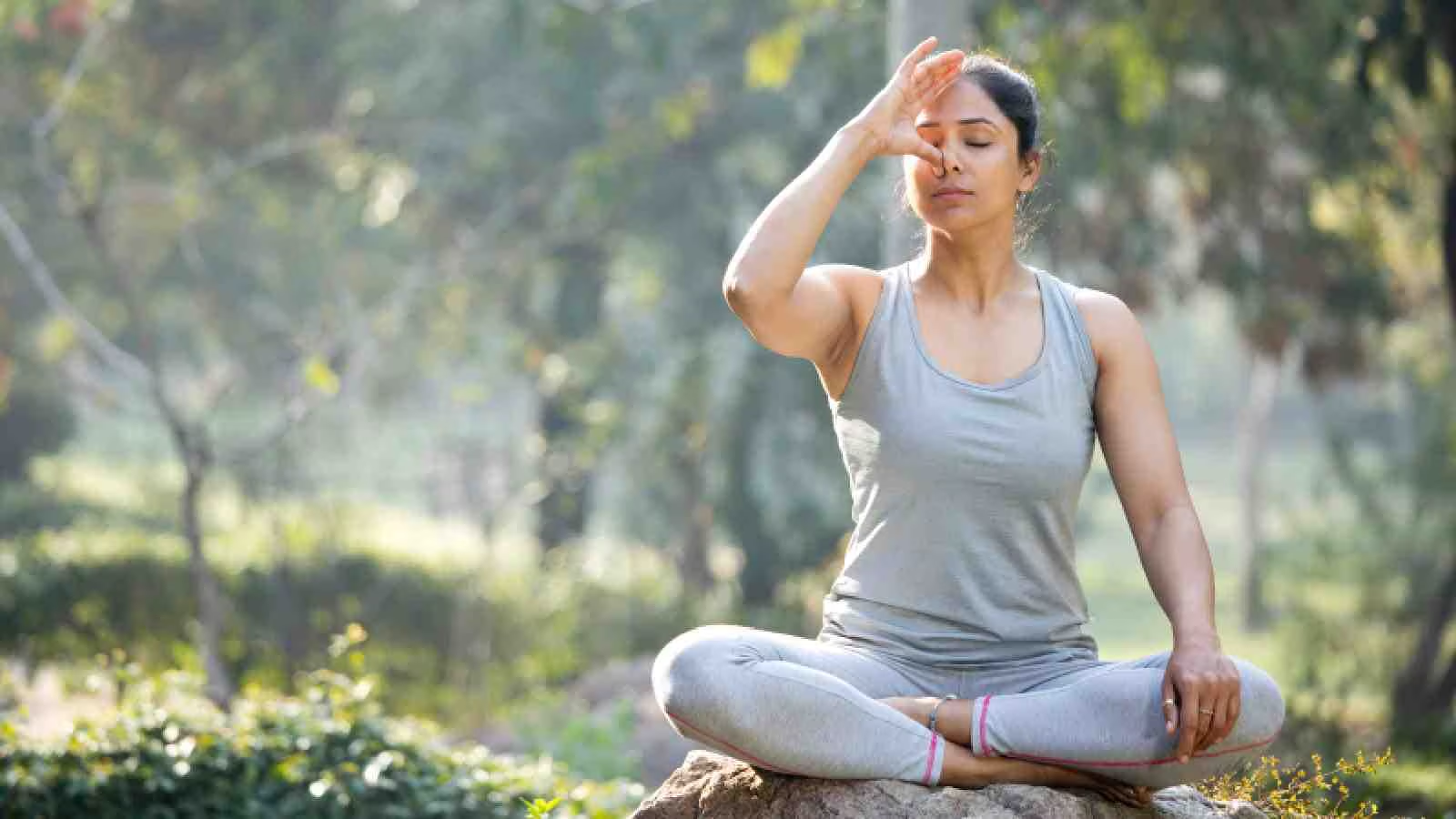 FITNESS
Mastering Anulom Vilom Breathing Technique
Anulom vilom is a type of alternate nostril breathing used in yoga. Discover its benefits and practice techniques... This section goes…
Read Guide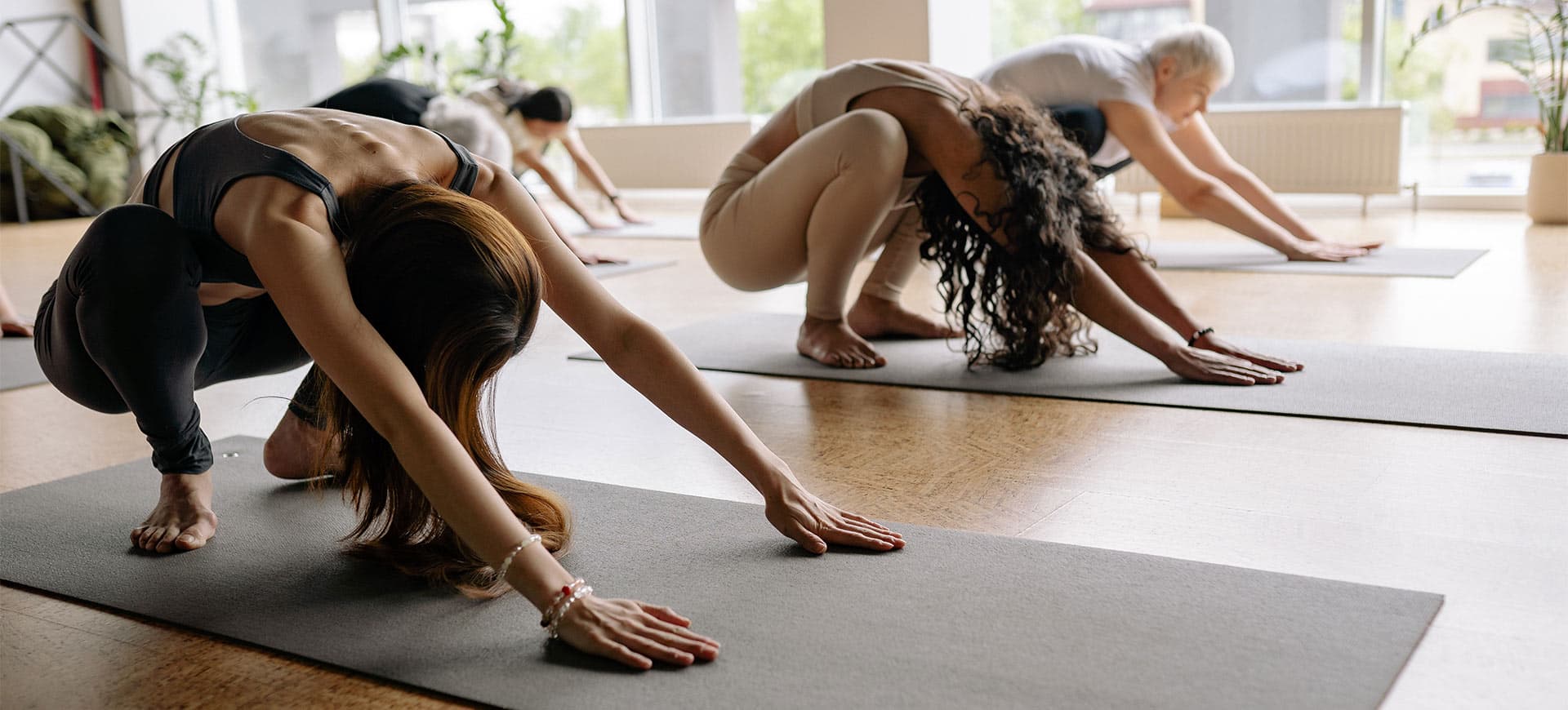 FITNESS
Exploring the 8 Limbs of Yoga for a Holistic Understanding
Discover the original 8 limbs of yoga and gain insight into how yoga has been culturally appropriated... This section goes beyond the…
Read Guide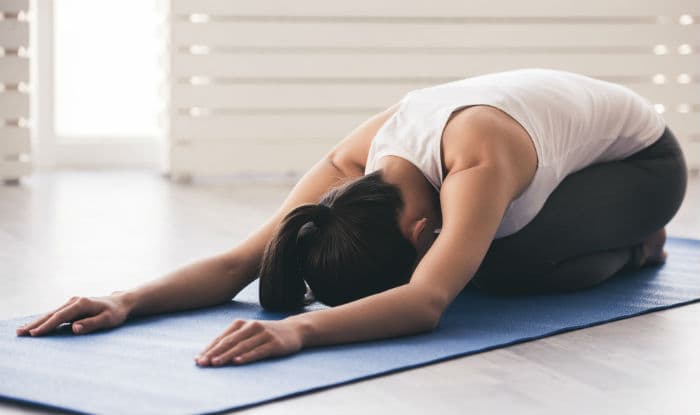 FITNESS
Utilizing Yoga to Manage Stress Effectively
If you're looking to reduce stress through yoga, explore various techniques that can help you achieve this goal... This section goes beyond…
Read Guide
Start Your Personalized Yoga Practice
Take our 2-min quiz and get a yoga sequence designed for your flexibility level and stress goals.
★★★★★ Trusted by 12,400+ wellness seekers
Free · No account needed · 2 minutesWas this article helpful?
Frequently Asked Questions
How often should I practice yoga to see benefits?
Even 2–3 sessions per week produces measurable improvements in flexibility, stress levels, and focus within 4–6 weeks.
Do I need to be flexible to start yoga?
Not at all. Yoga builds flexibility — it doesn't require it. Beginners often start very stiff and see rapid improvements within weeks.
What is the difference between yoga and stretching?
Yoga combines breathwork, mindfulness, and movement — stretching is just one component. Yoga also builds strength, balance, and mental focus.
Can yoga help with back pain?
Yes. Studies show yoga significantly reduces chronic lower back pain by strengthening core muscles, improving posture, and releasing hip and hamstring tension.
Wellness Pure Life is a science-backed platform dedicated to helping you build sustainable habits across fitness, mindfulness, and nutrition. Every guide is written with care, grounded in research, and designed to be genuinely actionable — so you can make real, lasting change.